Yes, you can take breaks during the NCLEX. You get two optional scheduled breaks, and you can also ask for unscheduled breaks. But the five-hour clock keeps running the whole time, so every minute you spend away comes out of your own testing time. This guide covers when the breaks come, how to take one, what you can do during it, and how to plan around the clock.
TL;DR
- Two scheduled breaks are offered: after about two hours of testing and after about three and one-half hours. Both are optional.
- Unscheduled breaks are allowed too. Raise your hand, wait for permission, and expect an escort.
- The clock does not stop for any break. The five-hour limit includes the introductory screen, the exam, and every break.
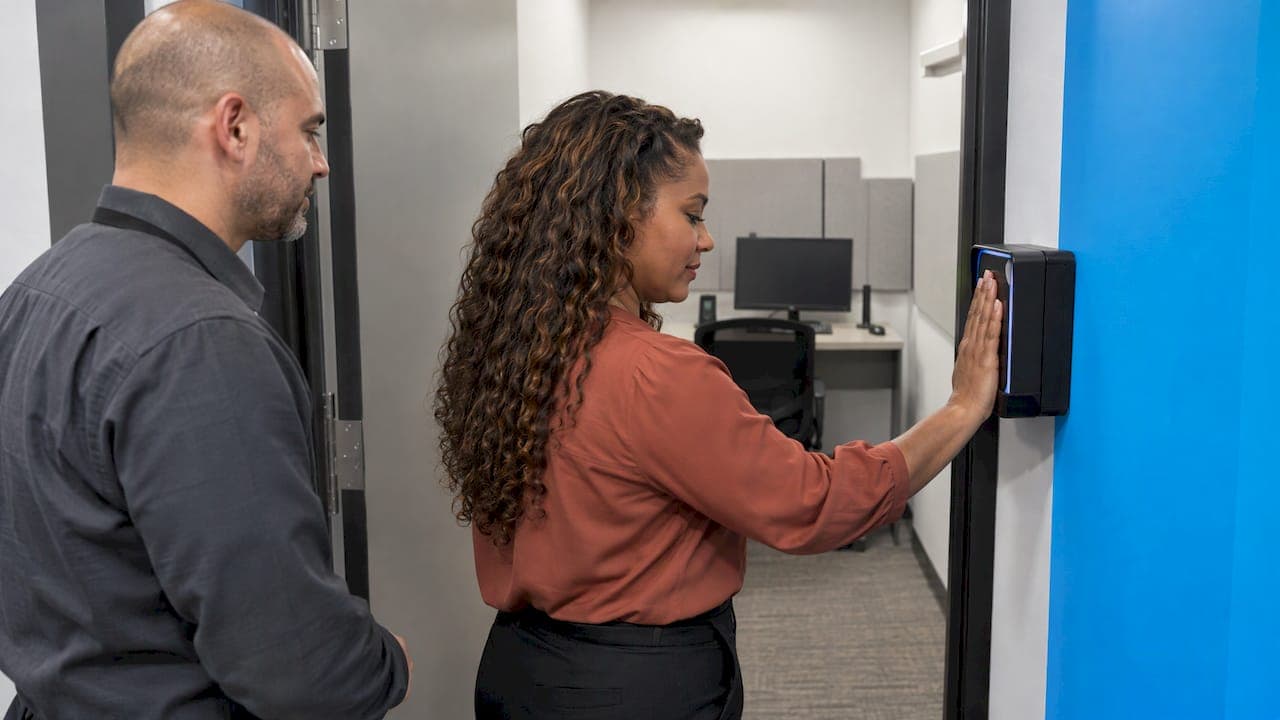
- You will have your palm-vein scan taken when you leave the room and again when you return.
- Breaking the rules, for example by refusing to store an electronic device, can end your session or put your results at risk.
Table of Contents
- How many breaks you get on the NCLEX
- When the scheduled breaks come
- Unscheduled breaks: allowed, unlimited, and on the clock
- The five-hour clock and what breaks do to it
- How to leave and re-enter the testing room
- What you can do and access during a break
- What happens if you break the rules
- Should you take the breaks? A practical plan
- A sample break plan you can adapt
- Build the daily habit before test day
- FAQ
- Sources
How many breaks you get on the NCLEX
The National Council of State Boards of Nursing (NCSBN) sets the structure in its NCLEX Examination Candidate Bulletin. The exam provides two optional scheduled breaks and also permits unscheduled breaks. NCSBN's older candidate registration overview describes the same setup: two pre-programmed optional breaks and an unlimited number of unscheduled ones.
The word that matters is optional. NCSBN states that all breaks are optional, and you may decline a scheduled break and keep testing. Nobody grades you on whether you took one. Some candidates skip both and finish with a comfortable margin. Others use both and feel sharper for it. The right answer depends on you, and the best way to find it is to rehearse before exam day (more on that below).
| Break type | When it happens | Who starts it | Does the clock stop? |
|---|---|---|---|
| Scheduled break 1 | After approximately two hours of testing | The software prompts you | No |
| Scheduled break 2 | After approximately three and one-half hours | The software prompts you | No |
| Unscheduled break | Whenever you need one | You raise your hand; the administrator grants permission | No |
When the scheduled breaks come
The first scheduled break is offered after approximately two hours of testing, and the second after approximately three and one-half hours, according to the 2026 candidate bulletin. Note the word "approximately." You do not need to watch a clock and ask. The computer notifies you automatically when a scheduled break begins.
Pearson VUE, the company that delivers the exam at test centers, explains in its NCLEX help page on testing time that scheduled breaks are programmed into the exam software. They appear as an on-screen prompt, and you choose whether to take the break. If you decline, you simply carry on with the next question.
Because the prompts arrive at set points in the exam, it helps to think of the five hours in three blocks: roughly the first two hours, the stretch up to about three and one-half hours, and what remains after that. You can decide in advance what you will do at each prompt, so you are not making that call while tired and halfway through a hard case study.

Unscheduled breaks: allowed, unlimited, and on the clock
If you need a break between the scheduled ones, you can ask. NCSBN's bulletin says to raise your hand and wait for the administrator's permission and escort. Pearson VUE confirms that candidates may take an unlimited number of unscheduled breaks, but the time used for each one is subtracted from your total available testing time.
Two practical points follow from that:
- There is no cap on the number, but there is a cap on the time. Ten short breaks and one long break cost you the same minutes if the total is the same. Walking in and out repeatedly also costs focus every time you re-enter.
- You need permission first. An unscheduled break is not a self-service pause. Raise your hand, wait, and do not leave the workstation until you are told to.
The scheduled breaks are the cleaner option when you can wait for them, since the software handles the prompt. Use an unscheduled break when you truly need one: a physical need, a headache, or a moment of overwhelm you cannot push through.
The five-hour clock and what breaks do to it
Candidates have five hours to complete the NCLEX. The bulletin spells out what that includes: the introductory screen, the examination itself, scheduled breaks and unscheduled breaks. The exam clock does not pause when you walk out, so every minute away reduces remaining testing time.
Pearson VUE notes that the standard testing clock begins once you are seated and the test administrator launches the exam at your workstation. Neither type of break stops it.
Here is the simple arithmetic. Five hours is 300 minutes. If you spend 10 minutes on each of the two scheduled breaks, you have used 20 of those minutes before you add anything else. That is a reasonable trade for most people, because a short reset can keep your reading accuracy up for the later questions. It becomes a problem only when breaks quietly grow longer than you intended, or when you were already running slow on questions.

This is why pacing practice matters. If you are building a routine for long sessions, a finals study plan template can help you structure practice blocks over a few days, and you can adapt the idea by timing your own question sets in long, uninterrupted stretches.
If you want to understand how the exam decides when to end, our guide to the CAT exam for nursing explains the adaptive format, which is separate from how breaks work.
How to leave and re-enter the testing room
The process is the same in spirit for both break types, with one difference in how you start it.
Scheduled break
Follow the on-screen prompt and select that you want the break. Then leave the workstation as directed.
Unscheduled break
Raise your hand and wait. The administrator will give permission and escort you out.
Coming back
According to the NCSBN bulletin, palm-vein scans are taken when you leave and when you re-enter. The test administrator then resumes the exam when you return. Pearson's general candidate rules add that a candidate on an unscheduled break must take identification when leaving, and the administrator checks it before escorting the candidate back and resuming the test.
Build a minute or two for this process into your mental math. The scan and escort are part of the break, and they happen on the clock.
What you can do and access during a break
Stored personal items are locked away during the exam, and the rules on getting at them are specific. Pearson's Professional Regulatory Candidate Rules Agreement says you must get the test administrator's permission before accessing stored personal items during a break. The exceptions are comfort aids, medication and food, which you may access without asking.
That gives you a short list of useful break moves:
- Take any medication you need.
- Eat a small snack you stored.
- Use the restroom and stretch.
- Put on or take off a comfort aid.
What a break is not for: reviewing notes, checking your phone, or talking through the questions. Treat the break as a rest from the exam, not as a study window. Rules on electronic devices are strict, and the consequences are covered next.
For the rest of your exam-day logistics, including what to bring and what to have ready the night before, use our exam day NCLEX checklist for the final 24 hours.
What happens if you break the rules
Consequences depend on the violation. According to NCSBN's bulletin, they may include being denied testing, a case report, cancellation or invalidation of your results, or having to reregister and pay another exam fee. Two examples the bulletin names directly: refusing to store an electronic device prevents you from testing, and tampering with the sealed device bag is reported and may affect your results.
The lesson is simple. During a break, do exactly what the administrator tells you, and leave anything electronic in its sealed bag. Nothing you could look up on a break is worth a fee and a reschedule.
If you have a documented condition and think you may need different break arrangements, that is handled through accommodations before test day, not on the spot. Our article on NCLEX accommodations and ADHD walks through how U.S. candidates approach it.
Should you take the breaks? A practical plan
No rule says you must or must not. Here is a way to decide, using what the rules give you.
Decide before exam day
Do not make the choice for the first time at the prompt. Rehearse with two or three long timed practice sessions, and note where your focus dips. If you notice the dip around the two-hour mark in practice, plan to take the first break. If you never feel it, you may choose to push through.
Keep breaks short and purposeful
Because the clock keeps running, set a personal goal for each break: restroom, water, a few deep breaths, a snack if you need one. Then return. A planned five-minute reset is different from a spiral of worry in the hallway.
Use breaks to reset, not to replay
The most common mental trap is replaying the last question. You cannot change a submitted answer, and the exam does not let you go back. A break is a chance to let that question go. Our guide on NCLEX test-taking strategies covers the clinical-judgment approach to keep you moving forward.
Train your stamina in your study blocks
Long exams reward the habit of focused work followed by short rests. If you want a structure to test during your prep, see our 25/5 Pomodoro study break plan. It lets you find what rhythm works before you are in the test center. Choosing the right date also matters, and we cover that in the best time to take the NCLEX.
A sample break plan you can adapt
This is an example of how a candidate might think, not a prescription. Adjust it to your own practice results.
| Moment | Question to ask yourself | Possible choice |
|---|---|---|
| Start of the exam | Am I settled and reading carefully? | Begin; no break needed yet |
| First prompt, about two hours in | Is my focus slipping or do I need the restroom, water or a snack? | Take a short break, or decline and keep going |
| Second prompt, about three and one-half hours in | How much of the five hours have I used, including the introduction? | Take a short reset if it helps, then return |
| Anytime | Do I have a real physical need? | Raise your hand for an unscheduled break |
The point of the table is that every choice has the same cost structure: time off the clock, with no pause. Knowing that in advance removes most of the stress.
Our perspective on NCLEX breaks
Most candidates treat the break rules as trivia to skim the night before. We think they deserve a place in your study plan, because the break question is really a stamina and recall question.
At RecallOS, we are built by practicing nurses and CRNAs, and we have seen how often a strong student loses points late in an exam, not because the content is unfamiliar, but because attention fades. Daily, short, high-yield practice is designed to make recall fast and automatic, so you spend less of your five hours puzzling over each question and have more room for a calm reset when you want one.
Our approach is to keep practice focused on what real exam blueprints emphasize, to bring your weak areas back for review, and to build a daily habit through streaks and rewards. That habit is what makes a long test day feel familiar rather than intimidating. Decide on your break plan now, practice it, and let the rest of your prep make the clock work for you.
Caleb
Build the daily habit before test day
If your goal is to walk into the test center with quick recall and a steady pace, daily practice is the lever. RecallOS is an AI-powered study app for nursing and healthcare exams, with high-yield daily questions, personalized review of weak areas, streaks and peer challenges. You can also upload your own notes and turn them into flashcards, quizzes and summaries.
Start with the NCLEX study app and its Daily Recall practice, or explore the Recall+ and Recall Pro plans on our home page. Want more question practice first? See our NCLEX exam practice questions guide.
FAQ
Are you allowed breaks during the NCLEX?
Yes. NCSBN provides two optional scheduled breaks and permits unscheduled breaks as well. All breaks count toward your five hours of total testing time, so the clock keeps running while you are away.
Can I skip the scheduled breaks?
Yes. NCSBN states that all breaks are optional, and you can decline a scheduled break and continue testing. Many candidates decide ahead of time based on how they felt during long timed practice sessions.
Do NCLEX breaks count against my time?
Yes. The five-hour limit includes the introductory screen, the exam, and both scheduled and unscheduled breaks. The exam clock does not stop during a break, so the minutes you spend away reduce the time you have left for questions.
Can I eat or take medication during a break?
Pearson's candidate rules say comfort aids, medication and food may be accessed without asking the test administrator. Other stored personal items need the administrator's permission first. Check your own situation, including any medical needs, with your testing arrangements before exam day.
What happens if I leave the room without permission?
For an unscheduled break, NCSBN's process is to raise your hand and wait for permission and an escort. Not following the break and security rules can lead to consequences ranging from being denied testing to invalidated results, depending on the violation.
Sources
- NCSBN NCLEX Examination Candidate Bulletin
- NCSBN Candidate Registration Process overview
- Pearson VUE NCLEX help: Additional testing time
- Pearson VUE Professional Regulatory Candidate Rules Agreement
- Build a finals study plan with ready templates